Author: admin

  • Favela Santa Marta

    Favela Santa Marta

    Santa Marta, Brazil favela

    Visiting Favela Santa Marta

    In this post, I share my experience of visiting favela Santa Marta in Rio, Brazil

    As the ground moves further and further away, the Christ Redeemer statue appears in all its towering glory, the bay comes into view and the blue of the Atlantic ocean glistens in the distance.

    I travel higher listening to the sound of people conversing in a language I can barely comprehend, passing colourful, shanty buildings with graffitied walls. The cable car reaches a standstill and the broken glass door opens. I am high above the city in Santa Marta favela, Rio de Janeiro, and about to experience life in one of Brazil’s favelas.

    Santa Marta, Brazil favela

    Santa Marta spreads down the hillside

    Santa Marta, Brazil favela

    Colourful buildings inside Santa Marta

    It’s no secret that Rio used to be ashamed of their favelas. Before the 2014 World Cup, families were allegedly being pushed out of their homes as a pretext for ‘social cleansing.’

    There are more than 700 favelas in Rio. The largest one is Rocinha which has approximately 70,000 people living there. Santa Marta has roughly 8,000 residents and was placed on the world map when Michael Jackson came here in 1996 to film part of his controversial music video ‘They Don’t Really Care About Us.’

    In fact, favelas are becoming so hipster that apparently David Beckham has even bought a house near one.

    Santa Marta, Brazil favela

    Christ the Redeemer towering above

    Santa Marta, Brazil favela

    The cable car that takes people up the steep hill to the top of Santa Marta

    A lady who I just met in the cable car gives me a warm hug and a kiss on each cheek before disappearing into the narrow streets below. Fatima used to live here and proudly told me how much the favela still feels like her family. She’s come back for a visit and we pass her again sitting in the street chatting and laughing with others. 

    Admiring the view as Sheila, my guide gives me a rundown of the history of Santa Marta, stopping to point out a toucan which flies over the higgledy-piggledy houses. Standing at the top entrance, the favela seems peaceful and I instantly feel at ease here.

    But it wasn’t always this peaceful. Santa Marta was once one of the most violent slums in the city and the first to be pacified by the Brazilian government.

    The steps I am standing on are where many people died in bloody gun wars. Bullet holes line the walls of a former daycare centre, now the headquarters of the Pacified Police Unit which controls the favela.

    Bullet holes in the wall of a former daycare centre

    In November 2008 the police kicked out the drug dealers and reduced the violence of the inner drug wars. Instead, confrontations took place between the police and the drug dealers when the dealers refused to pay the police’s bribes.

    During pacification they introduced social projects and offered courses such as electronics and hairdressing to young people, giving them an alternative to drugs. But the courses were empty.

    “Most projects here aren’t what people want,” says Sheila. “The communication between the government and the local population isn’t that good. They don’t ask us what we want. The government has to give us the tools to help us, to change, to make the change. We need support, people, investing, believing in us.”

    “They may have reduced the risk of innocent people being killed in crossfires but the people here now feel suppressed. Somehow we are trying to find ways to keep surviving.”

    Santa Marta, Brazil favela

    The living conditions at the top

    Santa Marta, Brazil favela

    I carefully take photos as we begin our descent through the community. Sheila has already briefed me on the ethics of taking pictures here; to ask people’s permission for photos and to not take any of the children. I still ask each one.

    Satellite dishes perch precariously on top of houses, and I hear the sound of chickens clucking as we delve further into Santa Marta.

    “The heart and spirit of favelas are in the people,” she says as we wander past shanty-looking houses, most of which are made by the people. The brown-roofed houses are the ones built by the government. The paths are narrow and I spot a railing which is hanging off.

    “They are making improvements but there’s no follow-up,” she says.

    Santa Marta, Brazil favela

    Santa Marta, Brazil favela

    The higher up you live, the worst the conditions. There is no infrastructure to collect the trash and rats come into the house at night. There is a risk of skin disease and some of the residents have lung problems.

    “In the past people from the healthcare system came here to try to understand the diseases,” she says. The urban process isn’t equal. Lots of people are still living like they were in the seventies and eighties.”

    Chickens and dogs wander around strewn litter and a child walks past with no shoes. I smile and say “Ola.” One of the only Portuguese words I know. They smile back.

    We pass clothes hanging on makeshift washing lines, and wooden houses that look as though they are on their last legs. Two women sitting on the steps politely move to one side to let us pass. One looks distressed and Sheila stops to speak with her. Not understanding any Portuguese I wait to hear her story. 

    Santa Marta, Brazil favela

    There are jobs inside the favelas. Small shops provide employment for some of the residents. Many are paid to carry things up and down the steep hill. Some are lucky to get a job in the city and work outside the favela. Child labour is now illegal but children of 14 work delivering pizza in the evening and then go to school the next day.

    The lady who we stopped to talk to has just lost her job. She was working as a cook and had just been sacked. Her successor was a white woman who lived in the city. She sees it as an injustice but as Sheila explains “Local people aren’t self-confident enough to fight.”

    I ask if there is anything that she can do.

    Santa Marta, Brazil favela

    Litter is covered by a sheet as local tries to hide it

    “People don’t feel proud and have low self-esteem,” Sheila says sadly. “They feel ashamed that they already live in a favela. They just want to live with dignity.”

    She points out a pile of trash partially covered by a large piece of cloth. One of the residents attempts to clean up their backyard.

    “We shouldn’t feel ashamed that we are doing things on our own,” says Sheila. In the twenty-first century, we shouldn’t have this situation.”

    Santa Marta, Brazil favela

    The bakery with the delicious coconut bread

    We pass by the bakery and I stop and buy some coconut bread for us to enjoy later.

    Around the corner is a little square with a bright orange wall painted by the Netherlands football team in the last World Cup. A giant mosaic of Michael Jackson dominates the space. A statue of him overlooks the rest of the favela and I pose for a photo with the man who brought joy and hope to this colourful community.

    Santa Marta, Brazil favela

    Michael Jackson mosaic stands next to the souvenir shop

    Santa Marta, Brazil favela

    Posing with the man himself

    A lady comes out of the souvenir shop and begins to show me every item in their family-run shop. There’s one design which stands out – a hand-drawn outline of the favela complete with Christ de Redeemer at the top, which is pictured on the t-shirts, tapestries and shoe bags. Her husband proudly explains that it was drawn by their fourteen-year-old son who has signed each item. I buy a bag with the design and put it over my shoulders as we continue the tour. 

    Santa Marta, Brazil favela

    Being shown the gifts in the family-run souvenir shop

    Santa Marta, Brazil favela

    More colourful artwork

    As we snake our way through an alleyway to the second souvenir shop, one of the ladies excitedly puts on the Michael Jackson video. “It’s me!” she cries excitedly in Portuguese, pointing to the scene where she stands clapping in the crowd.

    Listening to the lyrics and watching the dance moves of one of the biggest music icons, I feel myself go tingly. Starstruck somehow, that I am standing in the exact place where this famous video was filmed. I get a sense of how much it means to the people here. And I feel instantly moved and part of an aspiring moment which brought hope to those united by survival. 

    Santa Marta, Brazil favela

    As we eat our coconut bread, Sheila shows me inside the Residents Association where builders are busy on the roof putting in solar panels. Electricity is expensive here. Sheila explains that the rates are higher within a favela than they are in other areas of the city.

    “If you live in the district you pay 100 Brazilian Reals versus the 500 you have to pay here. “The national salary is 900 Reals so people make illegal connections to get electricity because it’s very expensive.”

    I hear a booming voice come across the speakers. The President of the Residents Association is making an announcement about a performance this Saturday. Sheila tells me that a drummer is coming to the favela to perform for the residents.

    Santa Marta, Brazil favela

    The speakers of the favela

    All the post for Santa Marta comes to the Resident’s Association. Sheila pays 10 Reals a month to support the association and gets access to a box for her post. I can see how the Resident’s Association plays a big part in the community.

    There are elections held every four years and anyone living here for more than five years can become a candidate. Every favela has an association. They are part of one institution and also the voice and communication inside the community representing their social, political, and critical perspective.

    With a lack of government projects here, social impact groups and NGOs work within the favela. Music is really important and the association even has a music room where young people can come and bang out a tune or two, following in the musical footsteps of Olodum, the cultural group who performed alongside Michael Jackson in his video.

    Santa Marta, Brazil favela

    Giving young people creative alternatives to street crime not only prevents them from turning to a life of drugs but also empowers them and makes them feel part of the favela. Most of the graffiti artwork I pass is their handiwork which brightens up the lack-lustre stone walls. As well as music and art lessons held in the afternoons, there is also a samba school here.

    We pass the lane which leads to Sheila’s house where she lives with her young son who is currently at school. Children only attend school for half a day and are encouraged to take part in a sports activity in the afternoon. Some of these are free (like football) and others such as swimming they have to pay for.

    Sheila tells me that the level of education is getting better. “I’m 45 but there are not many people here with my level of education,” she says.

    Santa Marta, Brazil favela

    As Sheila quickly pops back home I sit on the stone steps opposite a paint shop and wait; admiring the vibrant buildings that people have made their homes and businesses.

    This is Santa Marta’s main square, the pulse of the favela where everything comes to life. I listen to the samba beats playing in the background, smell the charred meat from the barbecue below, and observe the rest of the locals going about their daily routines.

    People smile as they walk past, and a dog even comes and sits next to me. Sheila comes bounding back and we pose together for a picture, linking arms together like long-lost friends.

    I can’t describe the feeling I had at that moment. As I soak up the emotions of being within such an alive organism, I realise that Sheila is absolutely right. The most important part of a favela is its people.

    If a musical legend can make an impact on this Brazilian community we too can do our bit to show the residents of Santa Marta that “they do really care about us.”

    Santa Marta Tours

    You can explore Santa Marta yourself but I definitely recommend going with a guide, especially one who lives in the favela. You’ll get to experience the culture of Santa Marta and also learn about its history. Plus it’s a lot more respectful to the locals to be with someone who they know rather than walk around yourself and take pictures.

    My tour was with Sheila from Brazilidade who was amazing. Brazilidade is community-based tourism whose aim is to strengthen the residents of Santa Marta’s identity and self-esteem and provide a cultural encounter between visitors and the community.

    The tour lasted for 2.5 hours and began at 9 am. You do need your trainers for the tour as it’s a walking tour and the steps are quite steep. Take some suntan lotion and a light jacket as well as it’s cooler at the top. If you want to buy a souvenir from Rio I definitely recommend buying it here. Not only does it help their community but it also gives a bit more meaning to your pressie.

    * N.b. I am really passionate about community-based tourism and showing what the world is really like. I hope this has changed your perception of favelas and has made you want to see Santa Marta for yourself.

    Santa Marta, Brazil favela

    Sheila, my fab tour guide and me 🙂

    Where To Stay in Brazil

    I stayed in Rio for 3 nights at Jabanga Hostel in Botafogo. This area is really safe with plenty of restaurants. It was only a 5-minute walk to the Metro, and 30 minutes walk to both Copacabana Beach, and Sugarloaf Mountain. I stayed in a 5-bed female dorm and met some great people to go sightseeing with. I absolutely loved Rio and had no problems with pickpockets there.

    Santa Marta, Brazil favela

    Santa Marta, Brazil favela
    Santa Marta, Brazil favela
    Santa Marta, Brazil favela

  • Exploring Metro Manila: Day Trips and Hidden Neighbourhoods

    Exploring Metro Manila: Day Trips and Hidden Neighbourhoods

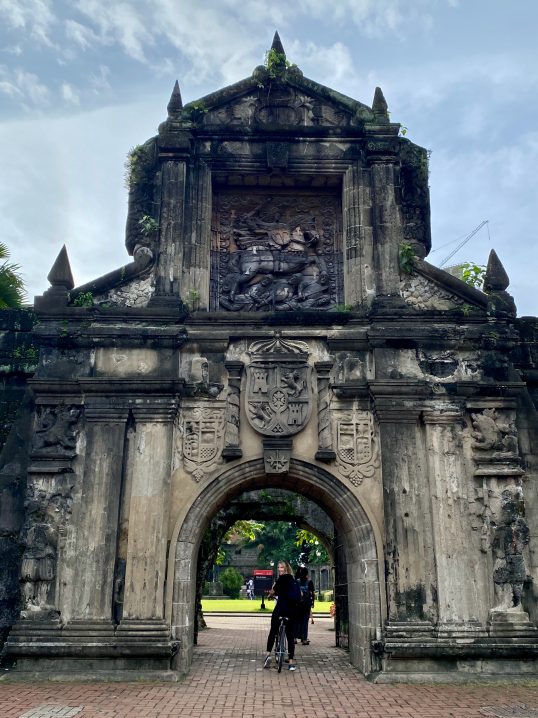
    If you’re planning to take a solo trip to the Philippines, chances are you’ll be flying into Manila especially if you’re flying with Philippine Airlines.

    Having been to Manila solo, there are so many areas within Metro Manila that you may be unsure of where to go.

    The crowded streets and tall skyscrapers may seem overwhelming but you’ll soon see that the this capital is more than just highways and malls. It combines the old and the new, and there are some quiet spots to be found in the city. In this article I cover where to go when exploring Metro Manila. 

    Where To Go in Manila

    While popular spots like Rizal Park, Intramuros, and the glitzy Venice Grand Canal Mall are definitely worth a visit, Manila has so many underrated gems that rarely make it into the travel guides. It’s the hidden places such as a friendly sari-sari shop in Poblacion, a peaceful park in Las Piñas, or a cosy couple-run coffee shop in Quezon City that really give Manila its charm.

    Makati’s Poblacion

    Makati used to be a sleepy old neighbourhood that is now brimming with life, especially at night. There are rooftop bars next to art cafes and tiny galleries hidden behind people’s homes. But you don’t have to come here at night to explore its warm ambience. Spending an afternoon exploring the area will reveal everything from independent bookstores to street food vendors.

    Binondo, Manila

    If you love Chinese food and fancy buying a lucky waving cat, head to Binondo. Apparently it is the oldest Chinatown in the world! You’ll find family-run bakeries, herbal stores, and temples lining the winding streets. And you grab a bite to eat ‘Chinese-style’ obviously.

    Maginhawa Street, Quezon City

    For the foodie solo, Maginhawa has affordable dining options making it popular with the student crowd. But don’t let that fool you as it isn’t just cheap boring eats here as you can find a ton of creative food options that will even make Heston Blumenthal smile. Try one of the meatless burgers or a Philippine rice bowl with a unique twist.

    Kapitolyo, Pasig

    Kapitolyo may be small but it has a lot of personality and delicious food with trendy places to dine. Restaurants seem more like someone’s kitchen than a place of business, and you can’t miss the street vendors too. Capitol Drive is where you’ll find many of the restaurants and if you’re craving comfort food and cool drinks, you’ll feel right at home here. It’s also a good spot for digital nomads as you can find co-working spaces to work from too.

    Las Piñas

    If you need somewhere even slower, you can find some peace and quiet in Las Pinas, which feels more like a small town. One great reason for going here is to see the Bamboo Organ, a real organ made mostly of bamboo. It’s not something you see every day, so going to a concert here is like listening to music from a different era.

    Outside of Manila

    Just because you fly into Manila, doesn’t mean that you have to stay there. When the hustle and bustle of Manila gets to be too much, here are some alternatives for a change of Philippine scenery.

    Tagaytay

    With its fresh food, cooler air, and views of the Taal Volcano, Tagaytay is a popular weekend getaway spot. Even though it’s only a few hours away, it feels like a different world. It’s the place to sip coffee on the cliff’s edge or buy fresh fruit and jams from the local market.

    Antipolo

    One for the cultural and historical solo. Antipolo will not let you down if you value art in peaceful surroundings. Visit the Pinto Art Museum or the Casa Santa Museum if you love Christmas and want to see figurines of Father Christmas.

    Antipolo is mainly a destination for pilgrimage, and is home to the Mystical Cave where you can see holy images inside! People also come here to visit the Antipolo Cathedral which is home to a statue of the Virgin Mary that dates back to the 17th century.

    Pampanga

    Pampanga is the place to go to indulge your inner child. You can see dinosaurs (yes, I did say dinosaurs) at Dinosaurs Island or cool off at Aqua Planet, one of the country’s modern water parks. But the main reason for coming here is yet again to enjoy the food. As the culinary capital north of Manila, you can indulge in delicacies such as the creamy halo-halo or the crunchy sisig.

    Getting Around Manila

    There are a few ways to get around the city depending on where you’re going. Make sure to download Sakay.ph. It shows the best public transport routes and makes getting around easier.

    The Pasig River Ferry is a scenic and traffic-free option that runs along the Pasig River, connecting key areas like Intramuros, Makati, Mandaluyong, and Pasig. I took the ferry and it was such a peaceful way to see the city from a different angle, floating past colonial buildings and local neighbourhoods. Fares are cheap and key stops like Escolta, Lawton, Guadalupe, and Sta. Ana make it a handy way to reach some off-the-beaten-path spots.

    The traffic can get busy in Manila especially during rush hour so make sure to leave enough time to get to your destination. I used the Grab app when I was here which was really easy to download and made ordering a taxi so much easier and safer than just hailing one on the street. Especially because you get to put your location into the app. But people here do speak English.

    The EDSA Carousel is the bus system that you can use with a Beep card, which also works on trains and ferries. They also have a train system: the MRT and LRT trains which are good ways to avoid traffic. 

    Then there are the local jeepneys which are the local colourful transport (like the blue one in the photo above). UV Express vans are faster but can be cramped.

    Depending on what area you are staying in, you can walk around some of the areas but just be careful at night.

    Conclusion

    These are just a few of the best areas to visit in Manila, but make sure to visit other places in the country too! I recommend the island of Palawan where I spent a week exploring solo. Philippine Airlines has daily flights to other destinations in the Philippines. Find out how to solo travel in the Philippines here. 

  • Solo Travel in Ladakh

    Solo Travel in Ladakh

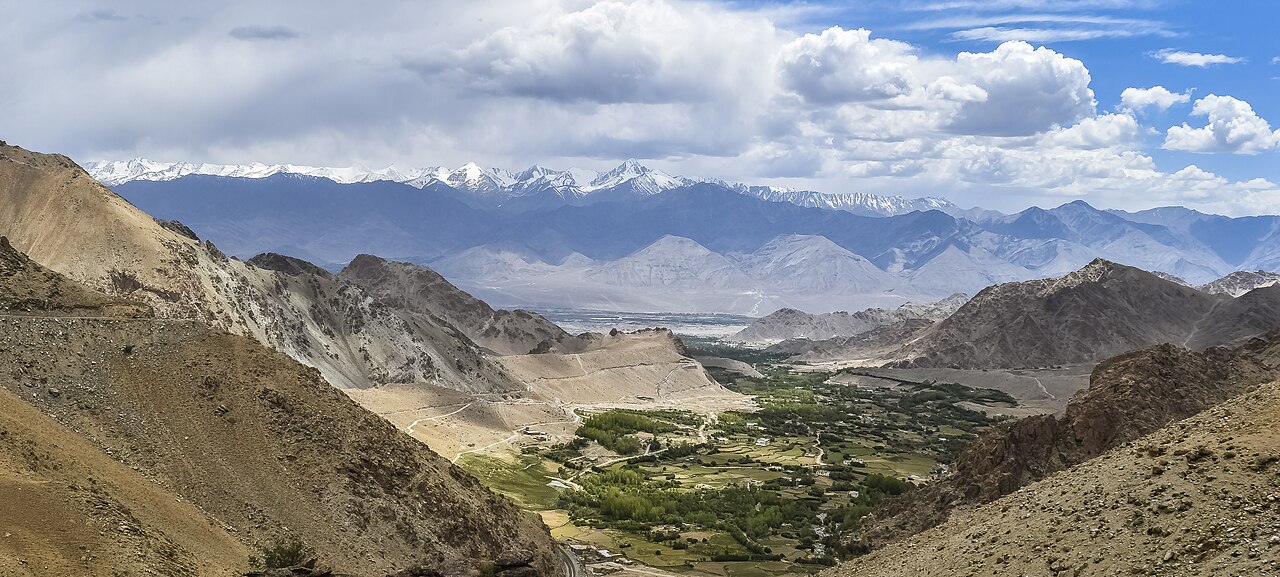
    There are some places that feel like they belong to another world. Ladakh is one of them. Tucked away in the far north of India, between the peaks of the Himalayas and the Karakoram range, this high-altitude region is like nowhere else. Wide open skies, quiet villages, snow-capped mountains and clear rivers set the scene for a very different kind of journey.

    If you are thinking of exploring India on your own, Ladakh offers a peaceful and unforgettable experience. It may be remote, but it is also welcoming and easy to explore with the right planning.

    Solo Travel in Ladakh

    Arriving in Leh

    Most trips to Ladakh begin in Leh, the main town and gateway to the region. You can fly in from Delhi in just over an hour, but be prepared for the altitude. Leh sits at around 3,500 metres above sea level, so make sure that your first few days are slow and quiet to get acclimatised. 

    Just walking around town is enough in the beginning. Many guesthouses are family-run and offer a calm place to rest while you get used to the thinner air. You’ll find small cafes, bakeries, local shops and travel agencies for planning your onward journey. Spend your first day or two reading, drinking tea, and watching life pass by.

    Is Ladakh Safe for Solo Women?

    Yes, Ladakh is considered one of the safest regions in India. The people here are warm and respectful, and the pace of life is relaxed. You may still draw attention as a foreign visitor, but it is usually out of curiosity. Simple gestures like greeting people with a smile or a “Julley” (hello in Ladakhi) go a long way.

    That said, Ladakh is remote and not the place for spontaneous solo trekking. Mobile coverage is limited outside towns, and conditions can change quickly in the mountains. If you plan to go into the more remote valleys or on a multi-day hike, it is best to join a group or go with a guide.

    Pangong Lake

    Exploring the Region

    After resting in Leh, you can start to explore a bit further. There are several day trips that are easy to arrange through local agencies or your guesthouse.

    Nubra Valley: Known for its sand dunes, double-humped camels and mountain passes, this valley is reached via Khardung La, one of the highest motorable roads in the world. Many travellers stay in the villages of Hunder or Diskit.

    Pangong Lake: The changing colours of this high-altitude lake are famous for a reason. A day trip is possible, but staying overnight is better if you want to enjoy the peace and the stars.

    Tso Moriri: Less visited than Pangong, this lake is quieter and even more remote. It is home to nomadic Changpa communities and plenty of birdlife.

    These journeys often involve rough roads and long drives, so having your own car and driver makes things easier. You can share costs with other travellers, and most agencies are happy to help with arranging this.

    Trekking in Ladakh

    Ladakh is a paradise for trekking. The landscape is dry and dramatic, with high passes, deep valleys and small villages connected by ancient trails. Some of the best treks in Ladakh can be done in under a week, while others take ten days or more.

    Here are a few popular options:

    Markha Valley Trek: One of the most well-known treks in the region. It takes you through small villages, over high passes, and past monasteries. Homestays are available along the way, which makes the experience more personal.

    Sham Valley Trek: A short and easier route, perfect if you are low on time or want something less intense. It is also called the “baby trek” because of its gentle trails and shorter distances.

    Stok Kangri: For experienced trekkers, this used to be a popular summit trek, but it has been closed in recent years for conservation. Kang Yatse is an excellent alternative.

    Trekking solo is not recommended unless you are highly experienced. Joining a small group or hiring a guide is the best way to stay safe and enjoy the landscape without worrying about logistics. Many treks include food, tents and transport, so you can just focus on walking and soaking up the views.

    The Best Time to Go

    The best time to visit Ladakh is between June and September. This is when the roads are open, the weather is dry, and trekking routes are accessible. Outside these months, snow can block the mountain passes, and many guesthouses shut for the season.

    If you want to avoid the busiest period, try visiting in June or late September. The weather is still good, and there are fewer visitors. July and August are warmer and great for longer treks.

    Tips for Solo Travel in Ladakh

    • Acclimatise properly: Give yourself at least two days to adjust before doing anything active.
    • Dress in layers: The weather can change fast. It may be warm in the sun but freezing in the shade or at night.
    • Carry cash: ATMs can be unreliable outside Leh, so withdraw what you need before heading out.
    • Be respectful: Ladakh is home to Tibetan Buddhist communities. Dress modestly and be mindful when visiting monasteries or local homes.
    • Travel light: Most guesthouses offer laundry and basic facilities. You do not need to pack too much.
    • Get your Inner Line Permit: If you plan to visit areas like Nubra Valley, Pangong Lake or Tso Moriri, you will need an Inner Line Permit. It is easy to arrange in Leh through a travel agency or online, but do not forget to carry multiple photocopies for checkpoints.

    Finally…

    Ladakh has a way of slowing you down. Maybe it is the altitude, or the silence of the valleys, or the kindness of the people who live here. Traveling solo in this region is less about ticking off sights and more about being present in the moment.

    From your first cup of tea in Leh to your final view of the mountains, Ladakh stays with you. Whether you come for the landscapes, the treks or the quiet, it is a place that gives back more than you expect and is perfect for solo travellers looking for nature and plenty of solitude. 

  • Solo Travel North India: Delhi, Agra and Rajasthan

    Solo Travel North India: Delhi, Agra and Rajasthan

    North India is full of contrasts. One minute you are crossing a busy street in Delhi, and the next you are watching the sun rise over the Taj Mahal. The region brings together history, colour, chaos, and calm. If you are travelling on your own, there is something special about discovering this part of India at your own pace.

    For solo travellers, North India can be a good place to start. The main destinations are well-connected, and many travellers follow similar routes, which means it is easy to meet others along the way if you want company. I’ve included the best destinations to solo travel North India below.

    Delhi

    Delhi: Fast-Paced and Fascinating

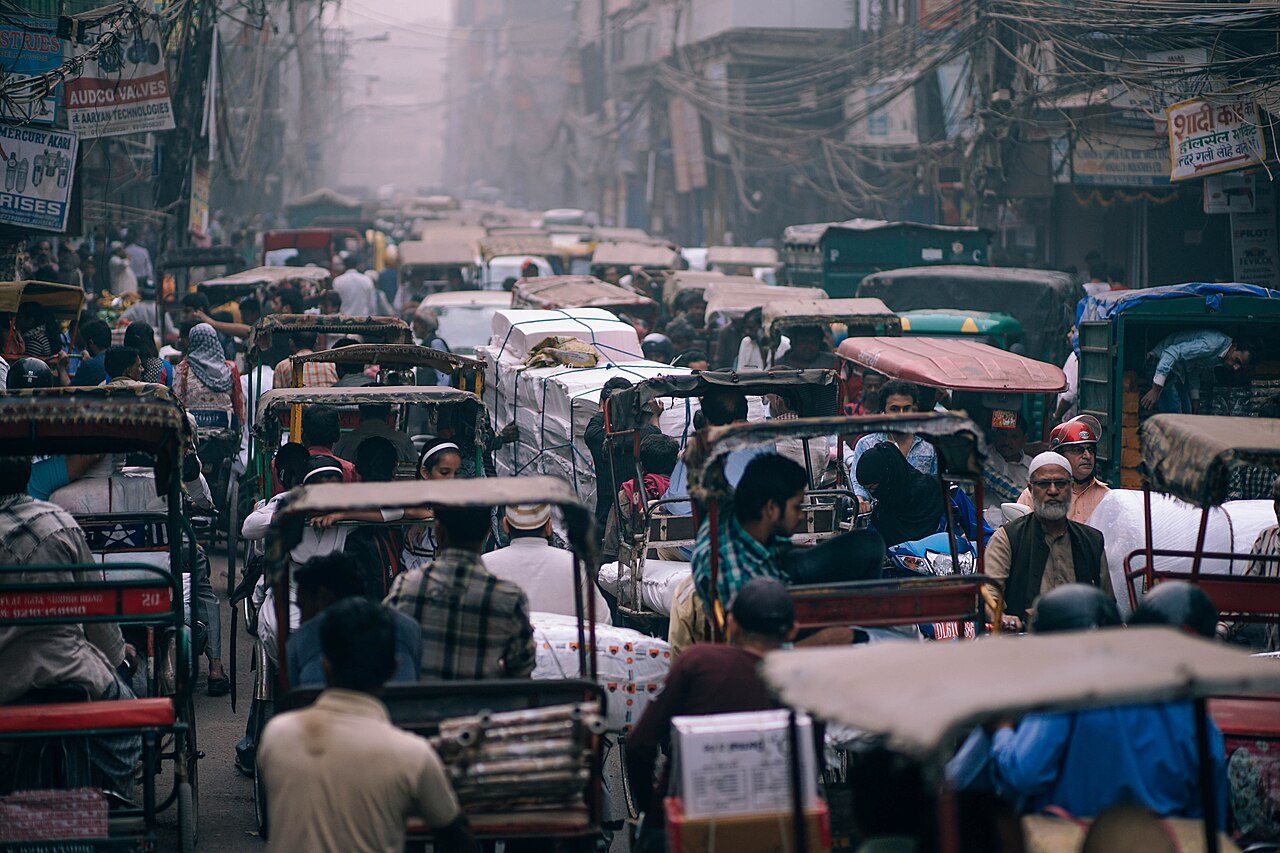
    Delhi is often the starting point for a trip to India. It is busy, full of people and traffic, and at first, it can feel like a lot. But once you find your rhythm, it becomes easier to enjoy. The key is to take it slow and focus on one area at a time.

    Old Delhi is known for its narrow lanes, local markets and Mughal-era buildings. You can explore Chandni Chowk, visit the Jama Masjid, and try local street food such as paratha or jalebi. If you are not confident going alone, you can join a walking tour or hire a guide to show you around the main sites. 

    New Delhi is more open and organised than Old Delhi. You can visit India Gate, Humayun’s Tomb, or walk through Lodhi Gardens. Connaught Place is a central area with plenty of cafes, bookstores and restaurants.

    For solo travellers, areas like South Delhi, Hauz Khas or near Connaught Place are good options for areas to stay. Make sure to read the reviews for local guesthouses or hotels to see which one is a good fit for you to stay at. 

    For getting around I recommend using app-based taxis like Uber or Ola for easier and safer transport, especially in the evening.

    Agra

    Agra

    From Delhi, you can take a train or taxi to Agra, home of the Taj Mahal. Most people visit for the Taj, and it is definitely worth it. Try to go early in the morning when it is quieter and the light is soft. It is one of those places that really does match the hype and is magical. 

    Agra Fort is another highlight. Built by the Mughals, it offers great views and less crowded courtyards. If you have time, go to Mehtab Bagh, a garden across the river that gives you a different view of the Taj Mahal at sunset.

    Agra is very touristy, so be prepared for people to approach you to offer services. Just be polite but clear. Having your transport arranged ahead of time makes the visit easier, especially if you are on your own. One night in Agra is usually enough to see the main sites.

    Rajasthan

    Rajasthan is a great place to explore solo. The cities are well-connected, there are plenty of guesthouses and hostels, and the mix of culture, food, and history keeps things interesting. Here are some of the best places to visit in Rajasthan if you are planning a route through the state.

    Jaipur

    Jaipur

    Jaipur is the capital and often the first stop in Rajasthan. Called the Pink City, it is known for its royal history and old palaces. Amber Fort, Hawa Mahal and the City Palace are popular spots. The bazaars are full of colourful textiles, silver jewellery and handmade crafts. There are also rooftop cafes where you can take a break and enjoy the view.

    Jodhpur

    Known as the Blue City, Jodhpur has narrow lanes and houses painted in soft blue shades. The main attraction is Mehrangarh Fort, which offers panoramic views. The city has a relaxed feel and is easy to walk around, especially near the clock tower area.

    Udaipur

    Udaipur

    Udaipur is built around lakes and has a quieter pace. You can visit the City Palace, take a boat ride, and watch traditional dance at Bagore Ki Haveli. Many solo travellers stop here for a few days to slow down and recharge.

    Pushkar

    Pushkar is a small town with a holy lake at its centre. It is known for its temples, street markets, and chilled-out vibe. Travellers come here for yoga, vegetarian food and to experience calm mornings by the water.

    Using this tourist map of Rajasthan can help you plan your route and decide how long to stay in each place. Distances are not huge, and you can travel by train, bus, or book a car and driver. Having a driver is more comfortable and gives you freedom to stop on the way, which is useful when traveling solo.

    Travel Tips For Solo Travel North India

    • Dress simply and comfortably. Cotton clothes, loose trousers and scarves are a good choice.
    • Book accommodations with strong reviews from other travellers.
    • Carry a local SIM card to stay connected and be able to use maps.
    • Eat local, but go easy the first few days. Stick to cooked food and bottled water.
    • Trust your instincts. If something feels off, it probably is.

    Final thoughts…

    Traveling through North India is not always smooth, but it is full of rewards. From the rush of Delhi to the beauty of the Taj Mahal and the desert colours of Rajasthan, each place has its own character. If you are on your own, you have the freedom to move at your own pace and change plans as you go.

    You may encounter a few challenges, but also small moments of peace, surprise and connection. Whether it is chatting with a local vendor, watching the sunset from a fort, or simply enjoying a quiet cup of chai, North India offers a travel experience that stays with you. With a bit of planning and a flexible mindset, it is a journey worth taking.

  • Travelling The Stans

    Travelling The Stans

    Travelling The Stans

    Types of Girl about the Globes (GatG) – Budget GatG, Cultural GatG, History GatG, Nature GatG, Sightseeing GatG, Spiritual GatG

    If you’re looking at solo travel in Asia, Central Asia is an interesting region to explore. This article covers everything you need for travelling the Stans

    Central Asia was once part of the ancient Silk Road and is now popular for Silk Road travel with an increased interest in this historic period. The Silk Road is an ancient trade route, linking China with the West where goods were transported between Europe and China. Silk went westward, and wools, gold, and silver travelled east.

    This region also formed part of former Soviet Union and still has Soviet statues within its capital cities. It is full of history, beautiful mountains and masouleums and is a cheap region to explore. The countries are also known for their dictatorships so visiting this part of the world is definitely an education.

    This article includes a summary of each country, the must-sees and how to get around. Read the relevant section or scroll down for the whole article.

    Contents

    Travelling The Stans

    Travelling in Central Asia

    This area is commonly referred to as “The 5 Stans.” If you choose to visit the Stans independently you may feel a bit lonely as this region doesn’t see many travellers. Knowing a bit of Russian will help you to get by.

    Krygyzstan is one of the friendliest in Central Asia and as women were independent in the Soviet Union, you won’t find yourself hassled here but you could find yourself getting overcharged for goods in Uzbekistan.

    I travelled to this region and spent nearly three weeks here, starting and ending in Almaty. I flew in and out of Almaty. My time here was definitely an education and I recommend travelling here if you enjoy rustic travelling.

    I have listed the countries below with what to do in each one, how to get around and how to travel from each country. 

    What countries are in Central Asia?

    Kazakhstan – Ancient Kazakh nomads, mountains, glaciers, rock canyons.

    Kyrgyzstan – Alpine lake, Tien Shan Mountains, walnut forests, Osh Bazaar.

    Tajikistan – Pamir Highway, Mountains, Buzhashi (a Central Asian sport).

    Turkmenistan – The Gate of Hell (Darvaza gas crater), desert, UNESCO cities.

    Uzbekistan – Ancient cities, mausoleums, The Registan, The Silk Road.

    Travelling The Stans

    Planning Your Central Asia Travel

    Kazakhstan – 3 stars

    Kazakhstan is the largest of the Central Asian states and is relatively poor and underdeveloped but is home to welcoming locals, the oldest nature reserve, and Buddhist rock carvings. Flying into Almaty is just stunning with the mountains surrounding the city. The people here are friendly and welcoming and even offered me Russian vodka and food on my day tour.

    If you’ve never heard of Kazakhstan, then maybe you remember the film, Borat, in which Sacha Baron Cohen played a fictional character from the country? The reality of the country is very different from the movie. Take Astana for example; this futuristic-style capital with a panoramic Baiterek Tower resembles a mini Dubai.

    Distances in Kazakstan are vast although there are buses, trains and mini-buses for the bigger cities. Almaty is the closest city to the Kryrgystan border and has a bus connection to Bishkek, the capital city. Getting around Almaty is easy and cheap with trolley buses. You just pay the driver 150 Kazakhstani tenge as you board the bus.

    Taxis are metered and sometimes the metre is on their mobile phone. Take an official taxi when you leave the airport and don’t pay any more than $10. Similar to Mongolia anyone can be a taxi so get your accommodation to book you one as they will give you the number plate of the car.

    Kazakhstan is really interesting and Almaty has lots of monuments and statues to see. The country is cheap and feels very safe for solos. The only downside is that tours are only available on the weekends so make sure you pre-book before you arrive. I took a tour which was in Russian but it was a great way to get to Charyn Canyon. Websites generally have a contact page where you have to leave your phone number so ask your accommodation to book for you or better still, book a group tour to see this country instead.

    Check availability, prices and tour itineraries for Kazakhstan

    Must-sees in Kazakhstan

    • Kok Tope gondola
    • Panfilov Park
    • Charyn Canyon (the country’s rival to the Grand Canyon),
    • The Nur Astana Mosque
    • Bayterek Tower and Ak Orda Palace
    • Buddhist rock carvings at Tamgaly Tas
    • Bayanaul National Park
    • Take the cable car in Almaty
    • Kolsai Lakes
    • Kaindy Lake’s sunken forest

    Kazakhstan to Tajikistan

    Getting around this region can be a bit tricky so from Almaty it was easier to take a flight to Tajikistan. My flight cost £84 with Air Astana and took two hours to Dushanbe. Find flights through Skyscanner.

    Travelling The Stans

    Tajikistan – 2 stars

    Tajikistan borders Afghanistan and is known for its mountains and snow-capped peaks. This country oozes nature and the main attraction is the Pamir Highway, a road trip through the Pamir Mountains near the Kyrgyzstan border. Tajikistan offers incredible nature and hiking and is perfect for the nature and adventurous GatG. It does have high altitudes though so be prepared if you suffer from altitude sickness.

    Lenin Peak is also a mecca for climbers and those looking to hike and camp in the mountains. Dushanbe is the country’s capital. It’s definitely worth spending at least 2 nights here (if not three) to walk around.

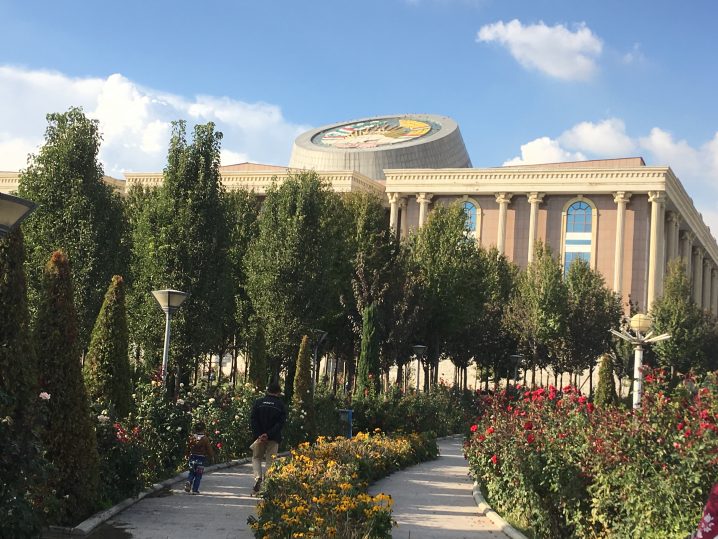
    Dushanbe, the capital is surprisingly beautiful with monuments and parks amongst tree-lined avenues. It’s an interesting mix of Soviet and modern architecture. And it’s so incredibly clean. Just walking around the city you’ll see women sweeping the parks.

    People are really welcoming and drivers even stop their cars to allow you to cross the road. If people do look at you it’s out of curiosity as there aren’t used to many tourists. As lovely as this country is, it is one of the most difficult to get around. Although people come here for the Pamir Mountains, public transport is virtually non-existent so you need a car.

    Most people book car rental (either self-drive or with a driver) which can be pricey. Depending on where you are staying the capital city is walkable. The taxis are also good here compared to the rest of the region and cheap, starting at 10,000 increasing by 1,000 for every 3 km.

    Check availability, prices and tour itineraries for Tajikistan

    Must-sees in Tajikistan

    • The Pamir Mountains
    • Kuk Gumbaz Mosque in Istaravshan (an example of Timurid architecture)
    • Iskanderkul Lake
    • The UNESCO site of Sarazm
    • Bibi Fatima Hot Springs
    • Fort Qahqaha

    Tajikistan to Uzbekistan

    From Dushanbe bus station you can take a shared or private taxi to the Uzbekistan border for approximately $25 (for a private taxi). Just go to the bus station and wait for a taxi to sill up.

    Travelling The Stans

    Uzbekistan – 4 stars

    If you only had time to visit one country in the region then this country is the one. Uzbekistan tourism means that the country has good infrastructure and is the most geared up for tourism. Compared to the other Stans, Uzbekistan travel is the easiest in the region and it also had the best food especially for vegetarians (you can find salads here).

    Uzbekistan was once a core destination for the ancient Silk Road and has many preserved monuments from this era. Many of the beautiful mausoleums are now Islamic schools. Bukhara is one of the holiest places on Earth. The old town is a UNESCO World Heritage Site with many beautiful mosques and shrines to see. Visit the Ark of Bukhara, an ancient fortress, or watch artists mastering their crafts in the trading domes as you feel as though you have stepped back in time. If you don’t get a chance to visit the city of Khiva with its historical palace, minaret and Kuhha Ark then Bukhara is a great alternative.

    One of the most magnificent attractions in Uzbekistan is the Registan, a stunning piece of Islamic architecture located in Samarkand. There are so many stunning pieces of architecture to see here from Bibi-Khanym Mosque, to Shah-i-Zinda, and Gur-e-Amir Mausoleum. You could easily spend three days in the city just walking around.

    Tashkent is the capital city with parks, fountains and monuments. Independence Square is located in the centre of the city and is a good place to begin exploring. See the symbol of Mother-Motherland and walk from Independence monument to the colonnade. Browse around Alay Bazaar, one of Tashkent’s oldest bazaars or explore the hustle and bustle of Chorus Market before seeing the beautiful Teleshayakh Mosque. The city has a good metro system to get around.

    Uzbekistan is definitely to easiest to travel through. There are high-speed trains on the main routes such as Bukhara to Samarkand. Buy your ticket at the train station beforehand to ensure that you have a seat. If you do hire a car, be prepared for security checks along the roads in Uzbekistan but this is definitely the best country in terms of infrastructure to visit here.

    Check availability, prices and tour itineraries for Uzbekistan

    Travelling The Stans

    Must-Sees in Uzbekistan

    • The Registan. Samarkhand
    • Amir Temur Museum in Tashkent
    • The Fergana Valley
    • The minaret of Islam Hodja in Kiva (you can climb to the top too!)
    • Ark Fortress in Bukhara
    • See petroglyphs at the Nurata Mountains
    • Kyzylkum Desert
    • Gulkam Canyon
    • A Silk Factory in Margilan (Yodgorlik Silk Factory is recommended)

    Uzbekistan to Kyrgyzstan

    I took the train from Tashkent to Andijan which cost £12 and took 6 hours. From Andijan there are taxis to the Kyrgyzstan border where you can take a local bus the other side to the city of Osh for 10 Som (it takes an hour).

    Travelling The Stans

    Kyrgyzstan – 2 stars

    Kyrgyzstan may not have the mausoleums and stunning architecture that Uzbekistan offers but what it does have is stunning nature. The country is dominated by the Tian Shan mountains which are also part of the old trading route, and the capital city, Bishkek is one of the greenest cities within the region.

    Kyrgyzstan is known for hiking and has been described as the “Switzerland of Central Asia,” because of its untouched nature and lakes.

    Its capital, Bishkek has less than one million people and several museums, as well as former Soviet monuments and a Monument to the Martyrs of the Revolution. There are over 20 parks to explore including Oak Park with interesting sculptures.

    The Victory Monument is one of the most stunning in Bishkek. It represent a yurt with a sculpture of mother with a cup in her hands, standing under tunduk near the eternal flame, awaiting the return of her husband and sons from war. Away from the capital is Ala Archa gorge where you can hike and camp overnight. Near the border with Uzbekistan is the old city of Osh, an important city during the Silk Road with a vibrant bazaar.

    The people here are friendly and welcoming and you won’t encounter any stares but it can be difficult to get around. There is hardly any public transport in Kyrgyzstan so you need to either hire a car or a private driver get around. You can fly from Osh To Bishkek really cheaply on an internal flight from just $25.

    Check availability, prices and tour itineraries for Kyrgyzstan

    Must-Sees in Kyrgyzstan

    • Osh
    • Ala Archa National Park
    • Issyk Kul Lake
    • Tash Rabat

    Kyrgyzstan to Kazakhstan

    From Bishkek I took a minibus from the bus terminal across the border to Kazakhstan. It took approximately 5 hours back to Almaty and cost 400 Som (take bus number 5).

    Travelling The Stans

    Photo by Yang Jing on Unsplash

    Turkmenistan – 1 star

    Turkmenistan still remains a bit of an enigma. Turkmenistan is the most difficult to enter with the government rejecting visas. If you get accepted for a visa you may only have 5 days to see all of it (on a transit visa). You can take a cargo boat from Azerbaijan to Turkmenistan if you are travelling from Baku. Turkmenistan is famously known for The Gate of Hell (Darvaza gas crater), desert, and UNESCO cities.

    The country doesn’t seem to be very open to tourism and due to the strict visa requirements I wasn’t able to visit here. I would definitely consider a group tour for this country. The other four countries are definitely easier to visit independently as they are either visa-free or require an eVisa.

    Must-sees in Turkmenistan

    • Darvaza Gas Crater 
    • Fossilised dinosaur tracks
    • Yangi-Kala Canyon.

    Check availability, prices and tour itineraries for Turkmenistan

    Travelling The Stans

    Best Central Asia Tours & Silk Road Tours

    There is a reason that solos tend to take a group tour here. Backpacking Central Asia, travelling overland and trying to see more than one country can be challenging. Although I travelled to this region independently it took a lot of planning including looking into group tours before I decided to take the plunge.

    This area can be a bit challenging to travel around independently if you don’t hire a car so if you get the chance, take a Silk Road Tour to learn more about this fascinating region. All of the following tour companies have been recommended by our Girls about the Globe Facebook community and come with our solo female-friendly guarantee.

    Travelling The Stans

    G Adventures Central Asia

    G Adventures is a responsible tour company which mainly caters towards budget travellers. Most tours have an average of 10 people and there is no upper age limit. Once you book your trip you pay extra for any excursions you want to do when you’re there. I’ve listed the best tours starting from 10 days to 23 days.

    Highlights of Uzbekistan: 10 Days

    This ‘Stan’ definitely has the most sights to see and if you only have time to visit one, I recommend Uzbekistan. You only need a week and a half to see this fascinating country. See the awe-inspiring mausoleums in ancient Bukhara, the Registan in Samarkand and the Tomb of the Prophet Daniel. Experience a trip to the desert to see the remains of Alexander the Great and spend the evening in a traditional yurt (ger) whilst listening to Kazakh song.

    Check itinerary, prices and dates: Highlights of Uzbekistan

    Central Asia – Best of Kyrgyzstan and Tajikistan: 14 Days

    If you have two weeks then this tour is ideal. Starting in Bishkek and ending in Tashkent you spend a 12 day packed itinerary horse riding through valleys, trekking through Jeti-Oguz, and staying overnight in a yurt (ger). You get to experience the hospitality and home-cooked traditional meals on this cultural tour that travels through Kyrgyzstan, Kazakhstan, and Tajikistan.

    Check itinerary, prices and dates: Best of Kyrgyzstan and Tajikistan

    Multi-Stan Adventure – Bishkek to Tashkent: 23 days

    This adventure is perfect for seeing 4 of the ‘Stans.’ Starting in Bishkek you travel through Kyrgyzstan, Kazakhstan, Tajikistan, and Uzbekistan staying in yers (gers), hiking, horse riding, taking part in traditional craft workshops and indulging in local cuisine. Explore the sunken forest, learn about this region in the museums and meet on the locals on this multi-Stan adventure that gives you the best of the region.

    Check itinerary, prices and dates: Multi Stan Adventure

    Travelling The Stans

    Burana Tower

    Intrepid Travel Silk Road Tour

    Intrepid Travel is similar to G Adventures with an average of 12 people on each tour. Over 50% of people who book their trips are solo travellers. They tend to use hotels instead of hostels and have a more comfortable style of accommodation hence the trips can appear a bit more than G Adventures. With both tour companies you share a room with someone of the same gender or you can pay extra for your own room. I’ve chosen the best tours for travelling in Central Asia ranging from 14 days to an epic 32 days covering multi-countries.

    Kazakhstan Adventure: 14 Days

    If you only have two weeks, this Kazakhstan Adventure shows you the highlights of both Kazakhstan and Kyrgyzstan. Starting in Astana, Kazakhstan’s capital city, you visit the Nur-Astana Mosque and Palace of Peace & Reconciliation before moving onto the desert steppe at Baikonur. Experience a Central Asian overnight sleeper train, visit Burial Mounds and stay in simple guesthouses where you can interact with the locals. This tour includes breathtaking landscapes, canyons and waterfalls, all in two weeks!

    Check itinerary, prices and dates: Kazakhstan Adventure

    Central Asia Explorer: 17 Days

    This Central Asia Explorer is perfect for exploring Kyrgyzstan and Uzbekistan. If you are planning to visit Central Asia I definitely recommend including Uzbekistan in your itinerary. Seeing the Registan in Samarkhand is one of the regions’ must-sees as well as the Ark Fortress and the Ismail Samani Mausoleum, one of Central Asia’s oldest buildings. The tour finishes in Tashkent and also includes a ceramics workshop and a visit to a Women’s Felt Co-operative. It’s ideal for the adventurous GatG who wants to see a lot in one trip.

    Check itinerary, prices and dates: Central Asia Explorer

    The Great Silk Road: 32 Days

    This Silk Road tour has to be the ultimate Silk Road tour. Starting in Beijing this epic journey follows the route of the ancient Silk Road and takes you through China, Kyrgyzstan, and Uzbekistan. See the UNESCO rainbow-coloured site of Zhangye, the Hanyangling Mausoleum in Xian, and Silk Road must-sees in Samarkand and Central Asia. It’s a great way to travel through this region just be prepared for long journeys and rough terrain.

    Check itinerary, prices and dates: The Great Silk Road

    Travelling The Stans

    Ala Archa Gorge

    Travel Insurance for Central Asia

    The Stans are an interesting region to explore but I definitely recommend taking travel insurance, especially if you are suffer from altitude sickness or are planning to trek or cycle here.

    I recommend True Traveller for UK and European residents, and World Nomads for U.S. and worldwide citizens. Both companies allow you to buy insurance when you are already on the road, and offer different plans depending on your needs including additional adventure cover.

    Check insurance cover and prices for True Traveller

    Travelling The Stans

    My Verdict

    Is Central Asia good for solos? I was accompanied by a friend for this trip so I wasn’t solo but I met an amazing solo traveller who had navigated this region alone for her tips. Central Asia takes a lot of planning and as an experienced traveller I would have still found parts of this region challenging. Uzbekistan is the easiest for solos but if you want to see more than one country I recommend taking a tour due to the language barrier and lack of public transport.

  • How To Solo Travel Jakarta

    How To Solo Travel Jakarta

    Solo Travel Jakarta

    Types of Girl about the Globe – Cultural, History, Nature GatG

    Jakarta might not be the first place that springs to mind for a solo trip, but this vibrant, sprawling capital is definitely worth a visit, especially if you are travelling to Bali as it’s just a short flight away. 

    It has colonial charm and ancient traditions and there are activities for every kind of solo traveller. I spent time solo in Jakarta and share my tips and advice below. Discover what to do in Jakarta alone including what to do in the evenings, how to get around and recommended places to stay for solos!

    How To Solo Travel Jakarta

    Is Jakarta Safe for Solo Female Travellers?

    In general, Jakarta is fairly safe, especially in central and southern areas. Most locals are warm, respectful, and genuinely curious about foreigners, especially if you’re a woman travelling alone. You may hear a friendly “Hello, Mister!” from kids, as there doesn’t seem to be a gender distinction in Indonesia.

    Jakarta is easily reachable from Bali and a great multi-stop holiday if you want to explore more of Indonesia away from the beach vibes of Bali. As with any big city you still need to stay alert if you’re solo. 

    Avoid East Jakarta if you’re alone, especially after dark. It’s less developed and more conservative, so you may feel out of place and experience some stares.

    Only take out what you need with you and leave any valuables in your accommodation. Avoid wearing expensive jewellery, and don’t wander into quiet streets at night. Stay where the other tourists and locals are. 

    The zebra crossings don’t seem to really work as locals just walk into traffic and make eye contact with drivers. It’s a bit daunting at first, but just cross when the locals do and you’ll soon get used to it.

    Solo Travel Tips for Jakarta

    • Use Grab (the local Uber) for convenience and safety. It’s really easy to use. 

    • Dress modestly, especially when visiting religious sites. Long trousers or a skirt and covered shoulders are your best bet. If you visit the mosque, they give you an abaya to wear that’s included in your entry fee. 

    • Avoid drinking tap water, bottled water is everywhere and is cheap but I recommend taking a water filter bottle with you (I use this one!)

    • Carry cash, especially for local markets. ATMs are widely available but are not always reliable, so change some currency and have some with you just in case. 

    • Be mindful of the air. They say that Jakarta is one of the world’s most polluted cities but I didn’t find it that bad (Kathmandu is much worse). But if you want to avoid any pollution, a mask or scarf can help if you find it uncomfortable outside after a while.

    • Take an umbrella. It’s perfect for rainy season and also keeps the sun off you during the heat too. 

    Things To Do in Jakarta for Solo Female Travellers

    Jakarta really surprised me. It’s a vibrant city with many different areas and I couldn’t believe that I hadn’t visited before! 

    It’s not a city that is really listed for a solo trip but it has a mix of fascinating history, cultural attractions, and is perfect for exploring solo. Whether you’re into culture, local life, or just people-watching, here are my favourite things to do in Jakarta for solo female travellers. 

    How To Solo Travel Jakarta

    National Monument (Monas)

    This is the city’s most iconic landmark (it looks like a giant torch especially at night). On a clear day you can head to the top for panoramic views or just stroll around Merdeka Square below. At the base you’ll find a small but informative museum on Indonesia’s fight for independence. It’s a great intro to the country’s proud history.

    How To Solo Travel Jakarta

    Istiqlal Mosque

    I loved this mosque. It’s one of the most beautiful ones that I have seen in Indonesia. This colossal mosque can fit up to 200,000 worshippers and is beautifully designed, with marbled floors and cooling fountains. I joined their guided tour to learn about its symbolism and learnt that the number of domes, pillars, and steps all represent significant Islamic dates.

    They give you a robe to wear and if you’re lucky you may even get to bang the gong! (the guy taking the tour is an amazing photographer too!) * This was included on my half-day tour

    How To Solo Travel Jakarta

    Jakarta Cathedral

    Right across from the mosque, this neo-Gothic beauty represents the religious harmony Indonesia strives for. Step inside and you’ll be struck by the peaceful atmosphere and intricate stained-glass windows. There’s also a small museum upstairs if you fancy a browse.

    Explore Jakarta’s Old Town: Kota Tua

    The Old Town is one of my favourite areas here. You feel as though you are stepping back in time among Dutch colonial buildings, horse-drawn carts, and quirky museums. It doesn’t even feel like you’re in Indonesia.

    The Fatahillah Square is at the heart of the Old Town with food carts and street performers. For a tourist moment, you can rent a brightly coloured ‘onthel’ bike (complete with matching hat!) and cycle around the square.

    See The Traditional Puppets at Museum Wayang 

    This hidden gem in Kota Tua showcases Indonesia’s shadow puppetry tradition and you get to meet the craftsmen who sell their puppets. There’s an eerie charm to it, especially with puppets from across Asia. If you’re around on a Sunday, catch a live performance with haunting music and clever storytelling.

    I loved this place and spent ages here on my tour. If you can, do what I did and buy a puppet to take home as the money helps support the museum and the craftsmen. * I visited the museum on this tour

    Dine at Cafe Batavia

    When you need a coffee stop or some lunch, this colonial jazz cafe is the perfect solo lunch. It’s right in the Old Town so you can sit near the window and just people watch. This famous cafe is one of the oldest and is full of antique mirrors, with an old-world charm and you’ll be following in the footsteps of the famous people who have been here before.

    You can see their photos on the wall as you walk up the stairs. * I dined here with others from my half-day tour!

    See Sunda Kelapa Port

    Did you know Jakarta is actually sinking? A trip to Sunda Kelapa Port really brings this to life. Parts of the city sit just two centimetres above sea level, and when you see the sandbags lining the area, it’s a bit of an eye-opener.

    This historic harbour is where the Portuguese first landed back in 1527, and it still buzzes with activity today. Massive wooden schooners, known as pinisi, dock here just like they did centuries ago, with porters hauling huge loads by hand.

    Check The Water Levels

    Not far from the port, in Jakarta’s Old Town (Kota Tua), there’s a small but powerful monument that shows the rise in sea levels over time. It’s easy to miss unless someone points it out, but standing in front of it really puts things into perspective, especially knowing how vulnerable the city is to flooding.

    You’ll pass through some of Jakarta’s poorer neighbourhoods on the way, so it’s best to visit during daylight hours, ideally with a local guide who can share more about the area’s history and the challenges it faces today.

    How To Solo Travel Jakarta

    See The View From The Highest Library in the World

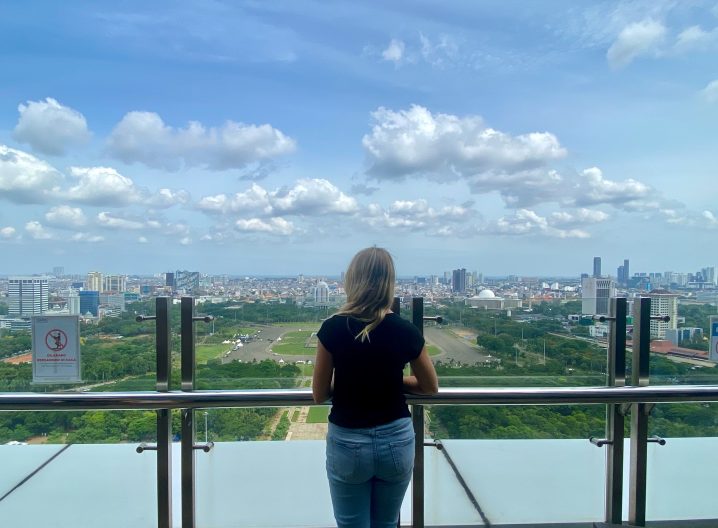
    I know that a library maybe isn’t the most exciting of places to visit but this one is a bit special as it’s the highest in the world! The National Library of Indonesia has 24 floors and if you head to the top floor you get stunning views over the city and the National Monument.

    The library is free to enter and inside you’ll find corners displaying Indonesia’s traditional artwork and cultural heritage as well as spacious reading and working spaces (it is a library!)

    Go Shopping at Grand Indonesia & Plaza Indonesia 

    If you fancy a bit of shopping, Indonesian-style, these sleek malls are modern-day escapes from the heat and traffic. You’ll find everything from local designers to international shops such as Zara, plus rooftop eateries and independent cafes. Ideal if you need a breather or a bit of retail therapy.

    Or visit Sarinah Mall which is a bit more local and historic. Sarinah was the first ever mall in Indonesia! It’s been revamped and now has a nice mix of Indonesian brands, crafts, and places to eat.

    Taste The Local Cuisine

    A great way to meet others when you’re solo is to go on a food tour. It’s an ideal way to spend an evening and also to dine with company too! Plus you get a chance to taste the street food from local vendors. * I recommend this food tour

    Or you can head to Glodok, which is Jakarta’s Chinatown before it winds down early afternoon for some fresh Chinese food. 

    As with many destinations in Asia, the basic-looking canteen-style restaurants are sometimes the best. Don’t let the plastic chairs put you off as these ‘warungs’ do great food! If the locals are eating there, then you know it’s going to be good. 

    What I love about the city is that Jakarta has a thriving coffee scene. Cafes such as Titik Temu, Giyanti Coffee Roastery, and One Fifteenth Coffee offer single-origin brews, cosy vibes, and cool local crowds. They’re great spots for journalling, reading, or just reflecting on your trip over a flat white. 

    What To Do in Jakarta at Night

    Just because you’re alone, don’t let that stop you from exploring the city at night. It isn’t really the place to party but it there are some great places to enjoy a drink with a good view or live music. You do need to be a bit cautious at night too. Order a Grab taxi to and from your destination and stick to well-lit areas. If somewhere doesn’t feel right then just trust your instinct and find somewhere that has a nicer vibe. 

    Central Jakarta has the best selection of rooftop bars, live music venues, and international restaurants.

    SKYE Bar sits on the 56th floor of the BCA Tower and offers a panoramic view of the city. As the sun sets and the lights start to twinkle, it’s pretty magical. It’s the perfect place to sip a cocktail while soaking up the buzz around you.

    Eden Rooftop Bar at the Park Royal Hotel is definitely worth the view. Perched on the 90th floor (yep, 90th!), it’s the highest rooftop in Indonesia. I recommend coming here for golden hour views. It’s a great spot to treat yourself to something a bit special and you get the chance to dress up too. 

    For a place that’s more low-key, Cafe California is a small local venue with a warm, relaxed vibe. It’s one of those places where you can sit back with a drink, listen to live acoustic music, and not feel out of place as a solo traveller. 

    Best Area To Stay in Jakarta

    Jakarta is split into East Jakarta, West Jakarta, North Jakarta and Central Jakarta. The city is really spread out and if you are trying to get anywhere during rush hour then it’s a good idea to stay near the sights. Here are my recommendations for different areas to stay in. 

    Menteng in Central Jakarta (Jakarta Pusat) is one of the city’s most elegant and historic areas, with tree-lined streets, colonial architecture, and a mix of embassies and government buildings. It’s very walkable by Jakarta standards and close to major landmarks like Monas (the National Monument).

    Thamrin sits in Central Jakarta, right at the heart of the city. Sudirman stretches into South Jakarta and is part of the main business district (CBD). The MRT runs along this corridor, making it super convenient. Both are excellent bases for first-time visitors who want modern comforts and easy transport.

    Kemang in South Jakarta (Jakarta Selatan) is known for its boho vibe, with lots of cafes, indie shops, art spaces, and a strong expat presence. It’s more laid-back and residential compared to the high-rises of Sudirman, but the traffic can get hectic on weekends.

    Best Hotels in Jakarta For Solos

    Jakarta has a variety of accommodation from 3 star to 5 star international hotels. If you’re visiting here on a budget, you’ll also find hostels where you can stay in dorm rooms to keep the costs down. If you’re unsure where to stay, below are recommended accommodation for solos including where I stayed! * Click here for all other accommodation in Jakarta 

    Merlynn Park Hotel – $$

    After staying in Timor Leste, the accommodation here was such good value! Think skyscrapers, a pool, gym, restaurant. So when my airport transfer pulled up to this hotel, I was so so happy! My room was huge. There was a large pool and gym, and three restaurants. You can even choose your own coffee at the coffee bar. The breakfast buffet was the largest selection I have ever seen in all of my travels. And the staff went above and beyond to ensure my stay was amazing. Tip – make sure you ask for a shower and don’t go for the corner rooms that have bath tubs. * Check prices & availability: Merlynn Park Hotel

    Ashley Tugu Tani Menteng – $$

    This 4-star hotel is a good location, just a 17 minute walk to the National Monument. The hotel has a lovely atmosphere and the staff throughout the hotel are really friendly. There’s a pool, gym and a laundry room and each room has a work desk in case you need to work during your stay (or just plan the rest of the your trip!) Breakfast is included in the price too. * Check prices & availability: Ashley Tugu Tani Menteng

    Sari Pacific Jakarta, Autograph Collection – $$

    This 5-star hotel is really affordable. It’s only 1 km from the train station and close to the original shopping mall with street food just walking distance away. There’s a spa, beauty salon and a 24-hour gym as well as a Japanese restaurant and a delicatessen. Rooms come with a city view. * Check prices and availability for Sari Pacific Jakarta

    House of Tugu – $$$

    If you want to treat yourself, this 5-star hotel located in the Old Town is fantastic! It’s close to the Puppet Museum and Cafe Batavia, and is full of art of history. There’s a spa and gym, coffee shop, restaurant and a terrace. Each room is soundproofed and has its own theme with a garden or city view. You can even take a tour of the location to learn more about the art and history. It’s definitely a unique stay. * Check prices & availability: House of Tugu

    Jakarta Day Trips

    I recommend getting out of the city and exploring more of the island. Java is really lush and you can relax in a natural hot spring, taste the Lupi coffee or see an active volcano. This is the day trip that I did that covered all of these places. 

    Subang: Known as the Pineapple City, you’ll see a giant pineapple statue at a roundabout. Locals say not to eat pineapple too early in the day (it’s believed to upset the stomach). Sweetness settles at the bottom, so pineapples are hung upside down to let the sugar spread.

    Sari Ater Hot Springs: Located near Subang, these relaxing springs are perfect for a day of self-care. Foot massages cost around 50,000 IDR (£2.50) and a full body massage is about 100,000 IDR (£5).

    Tangkuban Perahu Volcano: This volcano is also included on the day tour. What makes it unique is the easy access as you can reach the crater by car and walk along well-maintained paths around the rim. As you walk up the crater you pass local sellers making wooden cups from Batik wood and other handmade goods.

    You can also buy ginger tea and snacks to keep you warm as the temperature plummets at the top. I brought fridge magnets from here that were made from the volcanic stone!

    Getting Around Jakarta

    Depending on where you are staying (the Old Town for example), you may be able to walk to a few of the sights but Jakarta is a sprawling city so you will need transport to get around.

    I don’t recommend hiring a car as the traffic can be chaotic. Instead, I used the Grab app to call taxis for when I wasn’t on a tour. It’s safe, reliable, and cheaper than most taxis.

    For short distances, tuk-tuks (called bajaj) are unique to Jakarta and a fun way to get around. Just make sure to always agree on a price first.

    If you want to take the bus, Jakarta has special buses just for women! These pink buses are a women-only space and were introduced to reduce sexual harassment on public transport. The usual buses are orange buses (which are electric) but you may prefer to hop on a pink one!

    For the trains, Jakarta’s MRT (Mass Rapid Transit) and LRT (Light Rail Transit) offer a quicker way to travel across the city. Both networks are fully air-conditioned, which is ideal in the city’s tropical climate. The MRT runs between South and Central Jakarta, while the LRT connects the main areas in East Jakarta. The trains run frequently, and are well sign-posted with announcements in both Indonesian and English too. Buy your ticket at the ticket counters or at the machines at the stations. 

    From the Airport

    There are two main airports in Jakarta. Soekarno-Hatta International Airport (CGK) and Halim Perdanakusuma Airport (HLP). If you’re flying in from Bali then make sure to check which airport you arrive at for your airport transfer as the airports are approximately 30 minutes apart. 

    Jakarta’s Soekarno-Hatta International Airport (CGK) is around 40–90 minutes from central Jakarta, depending on traffic. You can either find the dedicated pickup zone for Grab and order a Grab taxi instead of an airport taxi. If you do take an airport taxi, go to the official taxi rank and avoid anyone shouting “taxi taxi.” Or take the Airport Rail Link that drops you at BNI City station in central Jakarta. * Use Rome2Rio to plan your journey 

  • Best Area To Stay in Albania

    Best Area To Stay in Albania

    I loved Albania. Out of the 119 countries that I have travelled to solo, it was the kind of country that made me feel like a rustic backpacker again. I spent two weeks travelling around the country staying in various areas on my way to Macedonia and share my favourite places including those that have also been recommended by our solo female community.

    If you’re looking for the best area to stay in Albania, this guide will help. I’ve listed all the areas in alphabetical order. (You don’t need to be solo travelling to stay at these places either). 

     And as an extra bonus, if you book any accommodation through this article, I donate to organisations helping vulnerable children in conflict zones. Thanks for helping. Lisa x

    Berat

    History solo

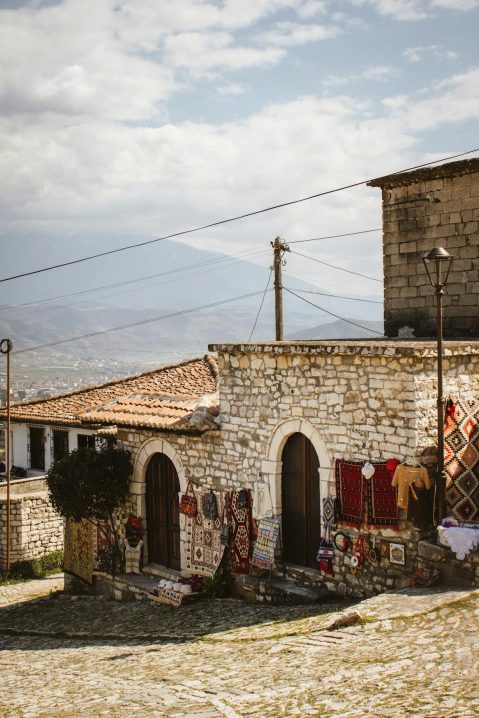
    A UNESCO World Heritage Site, Berat is famous for its “City of a Thousand Windows” and its unique hillside architecture. Berat’s charm lies in its history of Ottoman houses, Byzantine churches, and Islamic mosques.

    You can either stay in the Mangalem or Gorica quarters for that postcard-perfect experience or in a traditional house in the historic centre. Here are my recommendations for accommodations in Berat (or check all accommodation here)

    $ – Guesthouse & Hostel Lorenc is a sociable hostel with a large terrace, clean spacious rooms and great views. It’s walking distance to UNESCO district and you can either stay in a shared dorm room or a private room. * Check prices & availability: Guesthouse & Hostel Lorenc

    $$ Olive B&B is in a great location both near the river and the Old Town and walking distance to the castle. You’ll be welcomed with warm hospitality as the hosts are lovely and provide a delicious breakfast with ingredients from their own garden. * Check prices & availability: Olive B&B

    Gjirokaster

    Cultural solo

    Another UNESCO World Heritage Site, Gjirokastër is a beautiful Ottoman-era town known for its well-preserved architecture and cobblestone streets. The old stone houses, with their distinctive slate roofs and wooden balconies, seem frozen in time, offering a glimpse into Albania’s rich past.

    Staying in one of the traditional family-run guesthouses that are full of character is definitely an authentic experience. You’ll often be welcomed with homemade raki or fresh pastries, making you feel more like a friend than a guest.

    $ – Santa Room-Old Bazaar Center – This guest house is in the heart of the Old Bazaar. The Wifi is great and the rooms are clean and welcoming. They can also arrange to pick you up from the bus station. Because of its location you may need ear plugs if you are a light sleep. * Check prices & availability: Santa Room-Old Bazaar Center

    $$ – Argjiro Traditional – This 4-star hotel is a renovated Ottoman house located above a pub so it’s easy to get food or drink without having to go too far. The staff are really helpful and you can choose to have breakfast too. Even though it’s in a quiet street in the Old Bazaar, you may hear music at night so I recommend taking ear plugs with you. * Check prices & availability: Argjiro Traditional 

    Ksamil

    Beach solo 

    A small village near Saranda, Ksamil is known for its picturesque islands and white sandy beaches. The turquoise waters make it a lovely spot for swimming, snorkelling, or just sunbathing by the sea. In Ksamil you’ll find hotels and resorts, from budget stays to more upscale options making it an ideal place to stay and relax after visiting one of the cities.

    If you do come during July and August, it gets packed with both locals and tourists, so if you’re after a quieter escape, visit during May, June, or September for less crowds. 

    $ – Lake View Rooms Ksamil – If you’re looking for a lake view, these rooms are just perfect. There’s a restaurant and shop nearby and it’s a short 10 minute walk to the beach and the main road. The staff go above and beyond especially if you are here alone. * Check prices & availability: Lake View Rooms Ksamil

    $$ – Melina’s Seaside Retreat – To be closer to the beach, this 3-star accommodation is just steps away from Ksamil Beach and a short walk to Bora-Bora Beach. There’s a beautiful garden and terrace and you can choose a room with a balcony facing the sea! * Check prices & availability: Melina’s Seaside Retreat

    Saranda (also written as Sarande)

    Party solo

    Located on the southern coast of Albania, Saranda is one of the best party cities in Albania. This popular tourist destination is known for its stunning beaches and proximity to the ancient city of Butrint. There are numerous hotels and resorts along the coastline, offering fab views of the Ionian Sea.

    There are a couple of hostels here which are great for meeting other solo travellers if you’re in party mode. I loved this destination and spent a few evenings sampling the nightlife with other travellers and locals! Plus, you can catch the ferry from here to Corfu for the day too. 

    $ – Saranda Backpackers is the hostel that I stayed in Sarande. It’s Tomi is an amazing host and helps you with anything that you need. It’s in a great location, close to the beach and really easy to meet others. I even went partying with people I met at the hostel and made a travel buddy. * Check prices & availability: Saranda Backpackers

    $$ – Hotel Villa Margarit is a family-run hotel in a great location close to the ferry with attentive hosts. There’s a lovely courtyard and garden and the rooms come with their own fridge and sea view. * Check prices & availability: Hotel Villa Margarit

    $$ – Hotel Lindi is a 3-star hotel in a central location, close to restaurants and shops as well as the ferry terminal and bus stops. The rooms are spacious and comfortable and all the staff are friendly too!  * Check prices & availability: Hotel Lindi

    Shkoder

    City & Sightseeing solo

    Located in the north of Albania, Shkodër is a city with a rich history and vibrant cultural scene. The city offers a mix of hotels and guesthouses, with some accommodations offering views of Lake Shkodër. Shkodër is rich in culture and history, especially with Rozafa Castle, the Venetian-style architecture, and its café scene.

    The city offers a mix of hotels and guesthouses, with some accommodations offering views of Lake Shkodër. It does feel a bit more conservative here though so I covered up a little when I was here. 

    $ – Mi Casa es Tu Casa is where I stayed. It has a chilled out vibe with a bar and garden where you can meet others. Plus there’s a really good kitchen to cook your own meals. * Check prices & availability: Mi Casa es Tu Casa

    Tirana

    City & Sightseeing solo

    As the capital city, Tirana offers a wide range of accommodation options, including luxury hotels, boutique hostels, and apartments. You can explore the city’s vibrant culture and historic sites. The Blloku area is fab for solo travellers looking for a safe and trendy neighbourhood to stay in.

    $ – Tirana Backpackers is a great hostel. I stayed here and because it’s a small hostel it was really easy to meet others. There’s a lovely courtyard and a welcoming atmosphere. It’s perfect for solos. Breakfast is included too! * Check prices & availability: Tirana Backpackers

    $$ – Areela Boutique Hotel is a 3-star hotel in the heart of Tirana. The hotel has a homely feel with a colourful design staff that will make you feel really welcome. * Check prices & availability: Areela Boutique Hotel

    $$$ – The Rooms Serviced Apartments Tirana are less than a mile from the city centre and the main attractions. You can work out in the fitness centre, take a dip in the indoor swimming pool, sauna and steam room, or treat yourself to a massage and spa treatment. * Check prices & availability: Apartments Tirana

    Valbona Valley

    Active solo 

    If you’re into nature and hiking, consider staying in the Valbona Valley National Park in the Albanian Alps. The area offers guesthouses and lodges, providing an excellent base for exploring the stunning landscapes.

    You can hike from the small village of Theth over the Valbona Pass on a 17km hike and some guesthouses offer home-cooked meals and can arrange transport or guides. This area is so peaceful but the ride here can be long and bumpy. It’s definitely an adventure! 

    $ – Villa Gjecaj is a guesthouse and restaurants in Theth in the Albania Alps. I stayed at this homestay and found the family so welcoming. The homemade food and view of the valley is amazing too. And you can trek from here too. * Check prices & availability: Villa Gjecaj

    Vuno

    Cultural Solo 

    I loved this small hillside village. It’s off the beaten path and I really felt as though I was able to experience authentic village life here. With stone streets and olive groves, life here feels really simple with no ATMS and only two places to eat. It’s an ideal place to experience local life and if you need a beach, it’s a 45 minute walk to Gjipe Beach.

    $ – Shkolla Hostel & Camping. I stayed here for 2 nights and found it to be great value. It’s easy to meet others here but it does have cold showers so expect it to be basic and back to nature.  * Check prices & availability: Shkolla Hostel & Camping

    Need more on Albania?

    I hope that this article has given you some inspiration for the best area to stay in Albania for you. It really is a diverse country and has so many destinations depending on what you want to get out of your trip. If you need more help planning a trip to Albania, I recommend my Solo Travel to Albania guide that covers what to do in the country, how to get around and recommended tours. Happy planning!

  • Explore Rome by Bike

    Explore Rome by Bike

    Rome is a city that is perfect to explore. There’s something about Rome that stays with you long after you leave. Maybe it’s the aroma of freshly brewed coffee coming from a small bar on a side street. Maybe it’s the way the golden light that reflects off the old stone in the city, or perhaps the city’s lovely chaos that somehow works.

    Rome is both historical and an adventure which is part of what makes Rome so remarkable. Most people just walk or take the subway, but riding a bike gives you a different way to see the city. It’s flexible and gives you more of a sense of freedom away from public transport. 

    If you are considering riding your bike through the city of Rome, I’ve covered some tips and suggestions to help you ride carefully and make the most of your time in Rome. 

    Choose the Bike Yourself

    Before you even get on the road, make sure you find a bike that fits you. A proper fit can alter your ride’s vibe. A bike that is too small might lead to discomfort or even injury. If you’re renting, make sure the seat height is correct, the brakes work well, and the tires are in good condition. The hills, cobblestones, and flat areas of Rome are ideal for a hybrid bike or city bike.

    Ride with Caution

    It’s wise to ride your bicycle a little more carefully than you do at home. Cars, buses, pedestrians, and mopeds are everywhere in this big city. Try to stay off your phone, skip the earbuds, and keep your focus on the road. If a street looks too hectic, just hop off and walk your bicycle a bit. And, always trust your gut. Give a heads-up to friends or family before you go too. 

    Stay Safe

    Try to wear something bright, even if you’re riding a bike during the day. Bring a small light if you’re out past sunset. If you’re leaving your bike for a while, use a lock and keep your essentials safe in your bag. You’ll also to wear equipment to protect yourself such as a cycle  helmet. Make sure to obey street signs (and research what they are before you arrive), and stay alert.

    Maps

    Rome is a place where getting lost can be fun, but not so fun when you’re on a bike, solo, and dodging scooters. Before you start your Italian adventure, have a little idea of where to go.

    Google Maps does a pretty good job of pointing out bike-friendly routes, but you can always count on the local people if you get a bit stuck. Some neighbourhoods, like Trastevere, are not so hard to navigate and less chaotic for traffic. Testaccio is less touristy, more local, and very easy to bike around. Start with a simple route and see where the day takes you.

    Avoid The Rush

    Avoid Rome’s rush hour if you’re not a crowd person. Early in the morning or later in the afternoon, if possible. The streets are calmer, the light’s nicer, and you can catch the city as it’s waking up or winding down. Summer days in Italy (especially in cities like Rome) are busy and very hot.

    In the morning, you can ride through the park; in the evening, you can explore neighbourhoods or rest in shaded areas. That way, you’ll avoid the heat and the crowds.

    Take It Easy

    You’re not on a tour so you can take your own pace. There’s no need to rush from one tourist spot to another. Part of the joy is stopping whenever something catches your eye where you can just sit on a bench, grab a gelato, or park your two-wheeler and explore.

    Villa Borghese is one of the best locations for this. A Villa Borghese bike rental gives you access to broad, level trails that are encircled by nature. You can chill, slow down, and perhaps even lose sight of the fact that you are in a capital city. It gives you a chance to relax, do some people-watching, and enjoy a relaxed ride.

    Permit Yourself to Explore Slowly

    The best moments in Rome are found off the tourist track, like when you find a quiet pizza place or catch a street musician playing for anyone who wanders by. Biking opens up the city in a way that feels like it’s just for you. So explore and let yourself get a little lost, but safely. Keep in mind, the best stories (usually) come from the unexpected moments.

    Conclusion

    Biking through Rome as a solo traveller might seem scary at first, but once you get going, it’s truly worth it. It allows you to see the city from a fresh perspective and offers you the freedom to explore at your own pace and discover hidden gems that most tourists miss. With a bit of planning and an open mind, you’ll ride through this city like a local. Just don’t forget to cycle on the right-hand side!

  • Why Level8 Luggage is the Best Luggage For Solo Travel

    Why Level8 Luggage is the Best Luggage For Solo Travel

    Searching for the best luggage for solo travel? I share my honest review of Level8 in this article

    If you’ve ever battled with a squeaky-wheeled suitcase across cobblestones or had to unpack half your carry-on at the airport because it didn’t quite meet the size rules, you’ll know just how much of a difference good luggage can make.

    I’ve been trying out the Level8 Luminous Textured 2-Piece Set in black, and after putting it through its paces, I can honestly say it’s the best luggage for solo travel and share why it has made travelling so much easier below. 

    N.b. If I inspire you to buy your own Level8 luggage and you purchase through the links on this article, I donate to organisations helping children in conflict zones. Thanks for helping! Lisa x 

    The Design

    This is actually my second time using Level8 luggage. I tested their grey carry-on last year and once again, I’ve been really surprised at just how reliable and thoughtfully designed their cases are.

    I love the appearance of the black one. It is understated but stylish, with a clean, boxy design and a lightly textured finish which is perfect if you prefer luggage that’s practical but still looks good. It’s scratch-resistant too, which is ideal if you’re in and out of taxis or brushing up against baggage carousels. After a few international flights, mine still looks practically new.

    The polycarbonate shell gives it a sturdy feel without adding too much weight, and the square shape makes it really efficient to pack. There are no awkward angles or wasted space and it takes the stress out of me trying to squeeze everything in. Save 10% off Level8 luggage with the code ‘Level8&SoloTravel’ 

    Why it is the Best Lugagge For Solo Travel

    When it comes to luggage, I’m pretty fussy. It needs to be stylish, practical, and above all, tough enough to handle the chaos of solo travel. The Level8 Luminous Textured suitcase really ticks all the boxes. Here’s what I really like about the Level8 Luminous Textured suitcase.

    Diamond-textured hard shell – This is one of the first things that caught my eye. The shell has a sleek, modern edge to it, but it’s not just to make it look good. The diamond-textured surface cleverly disguises scuffs and scratches, so even after it’s been bumped about in overhead lockers or stacked on a bus, it still looks smart and tidy. I don’t feel like I need to replace it after every trip.

    Anti-scratch finish – I’ve wheeled this case through airports, dragged it across uneven pavements and somehow, it still looks brand new. The finish is surprisingly durable, and that little bit of extra protection means I’m not constantly worrying about how it’s holding up.

    Made with German Makrolon® – This material is a bit of a game-changer. It’s lightweight yet feels seriously tough, which is perfect for me as I’m often packing fragile souvenirs such as hand-blown glass, tiny statues, or ceramics from local markets. I have trust in this case to keep everything safe. It doesn’t bend or feel flimsy, and I love that it protects without weighing me down.

    Aluminium alloy trolley handle – The handle is smooth and solid, and unlike some of my older cases, it doesn’t feel wobbly or unstable when it’s fully extended. It’s strong but not stiff, and I can easily steer the suitcase with one hand. That’s a big plus when I’ve just landed in a hot country and don’t want to be doing a surprise arm workout just trying to leave the airport.

    TSA-approved combination lock – When I travel I generally travel on a budget so I stay in a mix of places from cheap hotels to budget hostels and having an integrated lock gives me real peace of mind that no-one else can access my luggage and get inside. I don’t need to carry an extra padlock or worry about losing a key. Both the carry-on and the check-in size have built-in locks that are super easy to set, even if you’re not techy (which I’m not).

    Ultra-quiet spinner wheels – These wheels are fab! I honestly didn’t realise how noisy my old suitcase was until I rolled this one through my apartment building after midnight and it barely made a sound. It glides so smoothly, it feels like it’s floating, and I’ve actually pushed it along with just one finger (yes, really). It’s ideal if you’re arriving late and want to be considerate of others around you.

    Smart interior layout – This is where it really shines for someone like me who lives out of her suitcase. Inside, there are mesh dividers, zipped sections, and compression straps to keep everything in its place. I like to separate my shoes and toiletries on one side and roll my clothes on the other. Everything stays put, so I’m not greeted by an explosion of fabric every time I unzip it. It’s easy to pack and even easier to live out of.

    Best Luggage For Solo Travel

    My Favourite Bits

    I am quite a late packer and usually pack 24 hours before or even on the day! Plus, I hate the stress of not knowing where my things are and having to take things out then put them back once I’ve found something. Here’s why the Level8 carry-on works so well for me:

    Spacious but compact – The carry-on has a 41L capacity and fits easily into most airline overhead bins (always check your airline though – Ryanair, I’m looking at you).

    Comfortable to handle – The telescopic handle adjusts to the right height, and there’s a side handle for lifting it in and out of cars or on stairs.

    Waterproof shell – Perfect for unexpected downpours – your clothes stay bone dry.

    No outer pockets – The cases don’t have pockets on the outside but I use a separate daypack or handbag for my laptop and chargers anyway (depending on where I am going). The inside of this case more than makes up for it with handy internal compartments.

    Save 10% off Level8 luggage with the code ‘Level8&SoloTravel’ 

    It’s Designed With Travellers in Mind

    Luggage that I have bought previously have just been suitcases that hold your things. They haven’t been thoughtfully designed for actual travellers like Level8 has. 

    The set includes a 20” carry-on and a 24” checked suitcase. Both have double-spinner wheels that roll so smoothly you barely need to push them even on uneven flooring (which seems to be in most countries that I visit).

    I found this really helpful during a tight connection at Bahrain Airport when I had to power-walk through the terminal. There was no annoying wobble and no pulling my shoulder out trying to steer. I wish I had it when I had to run though Istanbul airport and missed my connecting flight!

    Inside, both cases have zipped compartments and a divider panel, which makes organising your things so much easier. There’s a separate zipped pouch for smaller items and enough space to pack efficiently even for someone like me who always seems to bring “just in case” extras.

    They’re not expandable, but I managed to pack the hand luggage for a week in the UK with room to spare. And the fact that they are resilient in the dust and heat in my home in Dubai gives me peace of mind that all my clothes are protected inside. 

    They Will Last a Lifetime!

    There’s a solid, no-fuss feel to these cases that I really appreciate. The zips are smooth, the handles retract easily, and there’s a TSA-approved lock built in, which saves having to faff around with extra padlocks.

    It’s clear that Level8 have designed these for people who actually travel, not just for show. Whether it’s a city break, a longer haul trip, or an off-the-beaten-path kind of adventure, these cases feel like they can take it. Save 10% off Level8 luggage with the code ‘Level8&SoloTravel’ 

    Best Luggage For Solo Travel

    Free Delivery

    Shipping was fast and straightforward and they both arrived in just under a week. Level8 offers international shipping, and if you’re in the US, Canada, the EU or the UK, it’s free! They also offer a lifetime warranty, which is brilliant peace of mind. If anything goes wrong with the wheels, zips, or handles, you’re covered. 

    Level8 luggage

    Other Level8 Luggage Options

    The Luminous Textured suitcase isn’t the only luggage that Level8 offer. They have a varied range for all kinds of travellers that are reliable, practical and that come in funky and stylish colours. Here’s a roundup of their top collections so that you can choose the right one that’s designed for your travel style.   

    Level8 Elegance Series

    If you’re someone who loves that clean, minimalist aesthetic, the Elegance Series could be your match. These suitcases have a matte finish that gives them a sophisticated, understated look that look stylish without the effort. These cases are made from lightweight polycarbonate, so they’re super durable and easy to handle.

    The spinner wheels are lovely and quiet, and the aluminium handle feels solid when you’re wheeling it about. Inside has a simple layout with mesh dividers and compression straps and they come in three sizes: 20″, 24″, and 28″ so you can mix and match depending on your trip.

    Level8 Road Runner Series

    If you travel with a laptop or camera gear, the Road Runner may be a perfect choice are it’s designed with business and digital nomad travellers in mind. It features a front compartment that opens separately from the main case. This means you can quickly access your electronics at security without having to unzip your whole case and have everything that’s in your case on show. 

    It’s made from sturdy polycarbonate and also has the TSA-approved locks and smooth 360° spinner wheels. I think this one’s a great option if you’re heading off on a work trip or just like having your tech close at hand.

    Level8 Grace EXT Series

    Sometimes it’s really challenging deciding what to pack and you may want to take more than you need. (The secret is to divide what you think you need to take by half and then pack that). But if you are an over-packer, the Grace EXT Series gives you the gift of expandable space, which comes in so handy if you’re doing a bit of shopping or squeezing in a few extra outfits.

    The case has a zip-around section that lets it expand by a few inches, giving you that extra room without making it bulky or awkward to handle. It’s made from ABS+PC (a mix of plastic and polycarbonate), which makes it strong without being too heavy.

    The layout inside is practical, with compartments and zipped sections to help keep everything in its place. If you’re going away for a week or more and want a bit of flexibility, this one’s a solid choice.

    Level8 Gibraltar Aluminum Series

    For the luxury solo, this one is the showstopper. The Gibraltar Series is made from aerospace-grade aluminium-magnesium alloy, so it looks and feels super premium. It has a glossy, metallic finish and reinforced corners that give it a very ‘first-class traveller’ vibe. I’d say it’s ideal if you want your luggage to be a bit of a statement or you just like the peace of mind of extra protection for your belongings.

    Inside, it’s got a plush lining and thoughtfully designed compartments. It’s also fitted with two TSA-approved locks for extra security. It’s definitely on the pricier side, but it’s built to last and feels like a bit of a treat every time you use it.

    Level8 Luggage Sets

    What I really love about this brand is that if you like everything to match, Level8’s luggage sets are perfect. You can usually get a 20″ carry-on paired with either a 24″ or 28″ check-in case. It’s nice having matching suitcases (which I haven’t had before), especially if you’re travelling with multiple pieces or planning back-to-back trips.

    These sets often work out better value than buying each case separately, and they all come with the same design details, materials, and features. They’re ideal if you’re investing in new travel gear and want everything in one go.

    My Conclusion

    If you’re after a set of luggage that’s low-key, reliable, and built for real-world travel, I’d definitely recommend the Level8 black set. It does come in other colours too, but I love how sleek the black looks. And it’s so easy to spot on the carousel thanks to that little orange symbol on the wheels. It’s already made my airport days less stressful and I no longer feel like a travelling backpacker. I can’t wait for my next trip to use them again! 

    And a little bonus. If you fancy trying them yourself, just click through this link and use the code Level8&SoloTravel for 10% off your order!

  • Best Luggage For Solo Travel

    Best Luggage For Solo Travel

    Searching for the best luggage for solo travel? I share my honest review of Level8 in this article

    If you’ve ever battled with a squeaky-wheeled suitcase across cobblestones or had to unpack half your carry-on at the airport because it didn’t quite meet the size rules, you’ll know just how much of a difference good luggage can make.

    I’ve been trying out the Level8 Luminous Textured 2-Piece Set in black, and after putting it through its paces, I can honestly say it’s the best luggage for solo travel and share why it has made travelling so much easier below. 

    N.b. If I inspire you to buy your own Level8 luggage and you purchase through the links on this article, I donate to organisations helping children in conflict zones. Thanks for helping! Lisa x 

    The Design

    This is actually my second time using Level8 luggage. I tested their grey carry-on last year and once again, I’ve been really surprised at just how reliable and thoughtfully designed their cases are.

    I love the appearance of the black one. It is understated but stylish, with a clean, boxy design and a lightly textured finish which is perfect if you prefer luggage that’s practical but still looks good. It’s scratch-resistant too, which is ideal if you’re in and out of taxis or brushing up against baggage carousels. After a few international flights, mine still looks practically new.

    The polycarbonate shell gives it a sturdy feel without adding too much weight, and the square shape makes it really efficient to pack. There are no awkward angles or wasted space and it takes the stress out of me trying to squeeze everything in. Save 10% off Level8 luggage with the code ‘Level8&SoloTravel’ 

    What Makes It Stand Out?

    Here’s what I really like about the Level8 Luminous Textured suitcase. 

    • Diamond-textured hard shell – It has a modern edge and hides scuffs brilliantly.

    • Anti-scratch finish – It still looks brand new after being tossed onto baggage carousels and dragged through train and coach stations.

    • Made with German Makrolon® – Because of this it feel strong and light at the same time so it feels as though anything delicate that I pack (including shot glasses and arty statues from my trips) will be protected. 

    • Aluminium alloy trolley handle – When I pull it along it’s sturdy and smooth. There’s no wobbling or feeling too heavy to drag like other suitcases that I’ve had in the past which have felt like an arm workout that i didn’t need when arriving in a hot country. 

    • TSA-approved combination lock – I love the fact that I don’t need a paddlock with both the check in case and the hand luggage one. They are easy to set for someone like me and such a must-have for peace of mind if I will be staying in shared dorms in hostels. 

    • Ultra-quiet spinner wheels – It glides like a dream and really feels weightless. I can even push it with one finger! And you don’t hear me coming which makes it easier if i’m trying to be quiet when arriving somewhere at night and don’t want to wake up others. 

    • Smart interior layout – There are mesh dividers, zipped sections, and straps to keep everything neat and stored away so I can pack my toiletries and shoes one side and my clothes on the other. Nothing falls out when I open it up. 

    Best Luggage For Solo Travel

    My Favourite Bits

    I am quite a late packer and usually pack 24 hours before or even on the day! Plus, I hate the stress of not knowing where my things are and having to take things out then put them back once I’ve found something. Here’s why the Level8 carry-on works so well for me:

    Spacious but compact – The carry-on has a 41L capacity and fits easily into most airline overhead bins (always check your airline though – Ryanair, I’m looking at you).

    Comfortable to handle – The telescopic handle adjusts to the right height, and there’s a side handle for lifting it in and out of cars or on stairs.

    Waterproof shell – Perfect for unexpected downpours – your clothes stay bone dry.

    No outer pockets – The cases don’t have pockets on the outside but I use a separate daypack or handbag for my laptop and chargers anyway (depending on where I am going). The inside of this case more than makes up for it with handy internal compartments.

    Save 10% off Level8 luggage with the code ‘Level8&SoloTravel’ 

    It’s Designed With Travellers in Mind

    Luggage that I have bought previously have just been suitcases that hold your things. They haven’t been thoughtfully designed for actual travellers like Level8 has. 

    The set includes a 20” carry-on and a 24” checked suitcase. Both have double-spinner wheels that roll so smoothly you barely need to push them even on uneven flooring (which seems to be in most countries that I visit).

    I found this really helpful during a tight connection at Bahrain Airport when I had to power-walk through the terminal. There was no annoying wobble and no pulling my shoulder out trying to steer. I wish I had it when I had to run though Istanbul airport and missed my connecting flight!

    Inside, both cases have zipped compartments and a divider panel, which makes organising your things so much easier. There’s a separate zipped pouch for smaller items and enough space to pack efficiently even for someone like me who always seems to bring “just in case” extras.

    They’re not expandable, but I managed to pack the hand luggage for a week in the UK with room to spare. And the fact that they are resilient in the dust and heat in my home in Dubai gives me peace of mind that all my clothes are protected inside. 

    They Will Last a Lifetime!

    There’s a solid, no-fuss feel to these cases that I really appreciate. The zips are smooth, the handles retract easily, and there’s a TSA-approved lock built in, which saves having to faff around with extra padlocks.

    It’s clear that Level8 have designed these for people who actually travel, not just for show. Whether it’s a city break, a longer haul trip, or an off-the-beaten-path kind of adventure, these cases feel like they can take it. Save 10% off Level8 luggage with the code ‘Level8&SoloTravel’ 

    Best Luggage For Solo Travel

    Free Delivery

    Shipping was fast and straightforward and they both arrived in just under a week. Level8 offers international shipping, and if you’re in the US, Canada, the EU or the UK, it’s free! They also offer a lifetime warranty, which is brilliant peace of mind. If anything goes wrong with the wheels, zips, or handles, you’re covered. 

    My Conclusion

    And just a little bonus. If you fancy trying them yourself, just click through this link and use the code Level8&SoloTravel for 10% off your order!

    So, if you’re looking for a set of luggage that’s low-key, reliable, and built for real-world travel, I’d definitely recommend the Level8 black set. It does come in other colours too. Just look out for the little orange symbol on the wheels when it comes round the baggage carousel. 

    It’s already made my airport days less stressful and I can’t wait for my next trip to use them again!